Moving to the Kootenays: What to Expect When Relocating from Vancouver, Calgary, or the Okanagan
Moving to the Kootenays – What Vancouver, Calgary, and Okanagan Buyers Should Know Before They Relocate
Every week, we speak with families, professionals, and retirees who are seriously considering moving to the Kootenays. Over the past several years, we’ve seen the “great relocation” shift from a trend to a permanent lifestyle choice. Many are coming from the high-octane (and high-cost) urban sprawl of Vancouver, the fast-growing prairie energy of Calgary, or the increasingly busy and costly, resort-style communities of the Okanagan Valley.
Their reasons are consistent: a search for “time wealth,” genuine community, and a backyard that doesn’t require a two-hour commute to reach. But one question remains universal: “What should we realistically expect once the moving truck leaves?”
Let’s walk through the real differences, opportunities, and the inevitable adjustments that come with relocating to the West Kootenay.
Why the Kootenays? The 2026 Perspective
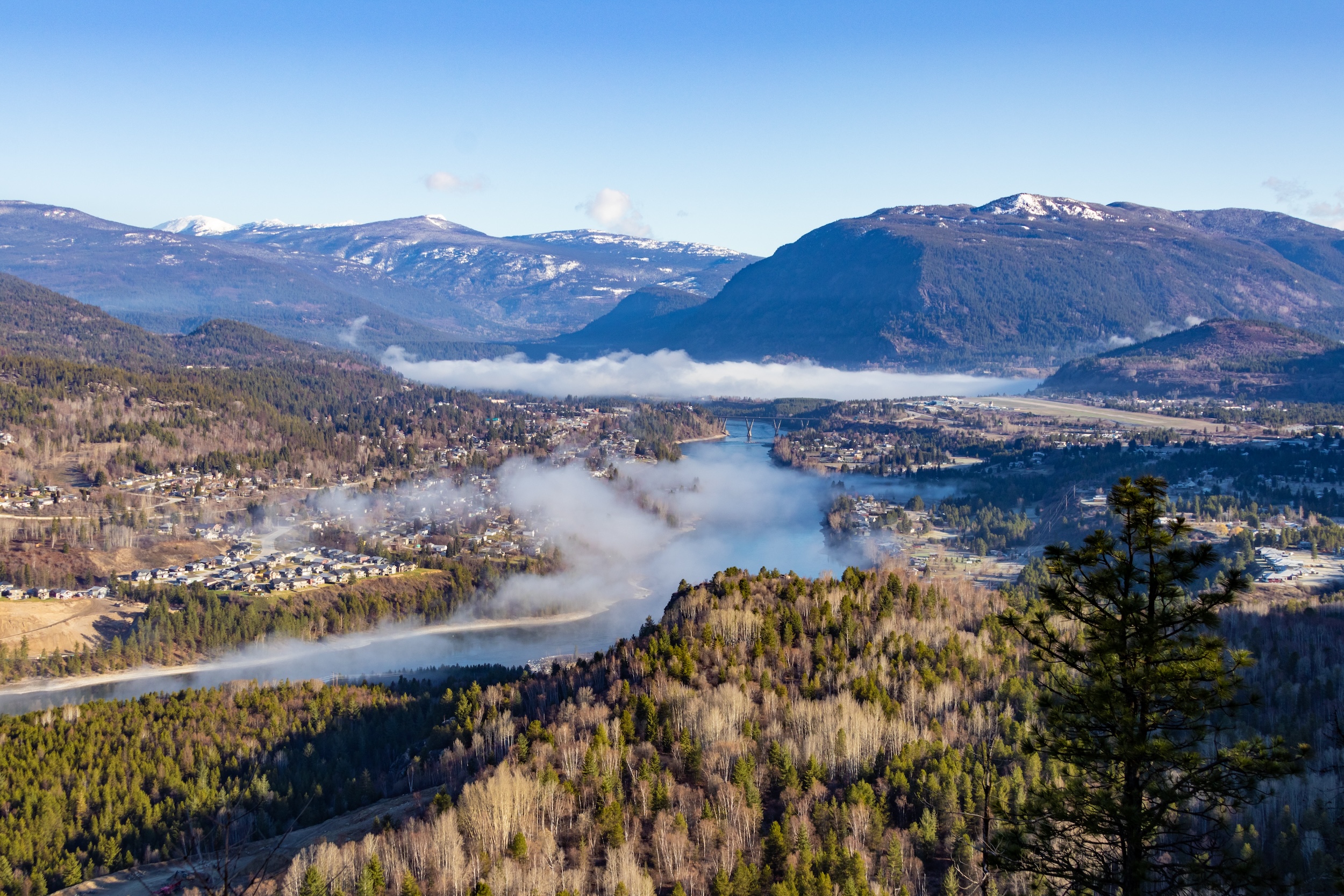
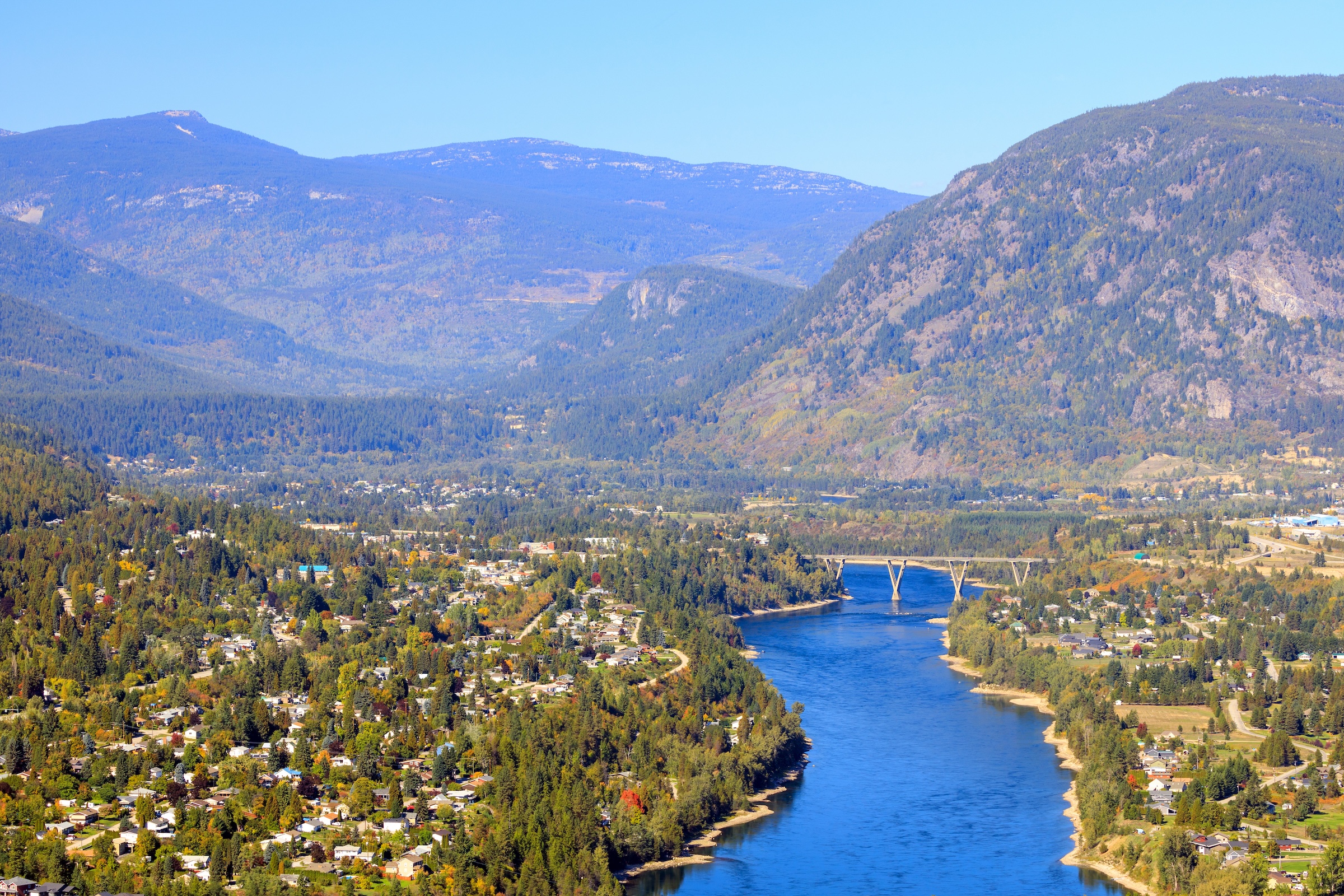
In an era where remote work is the standard and digital connectivity reaches even our mountain peaks, the Kootenays—encompassing Rossland, Trail, Castlegar, Nelson, and their surrounding corridors—offer a rare commodity: authenticity.
For those relocating from major hubs, the Kootenays provide:
True Space: More square footage for your dollar and, more importantly, more “breathing room” between neighbours.
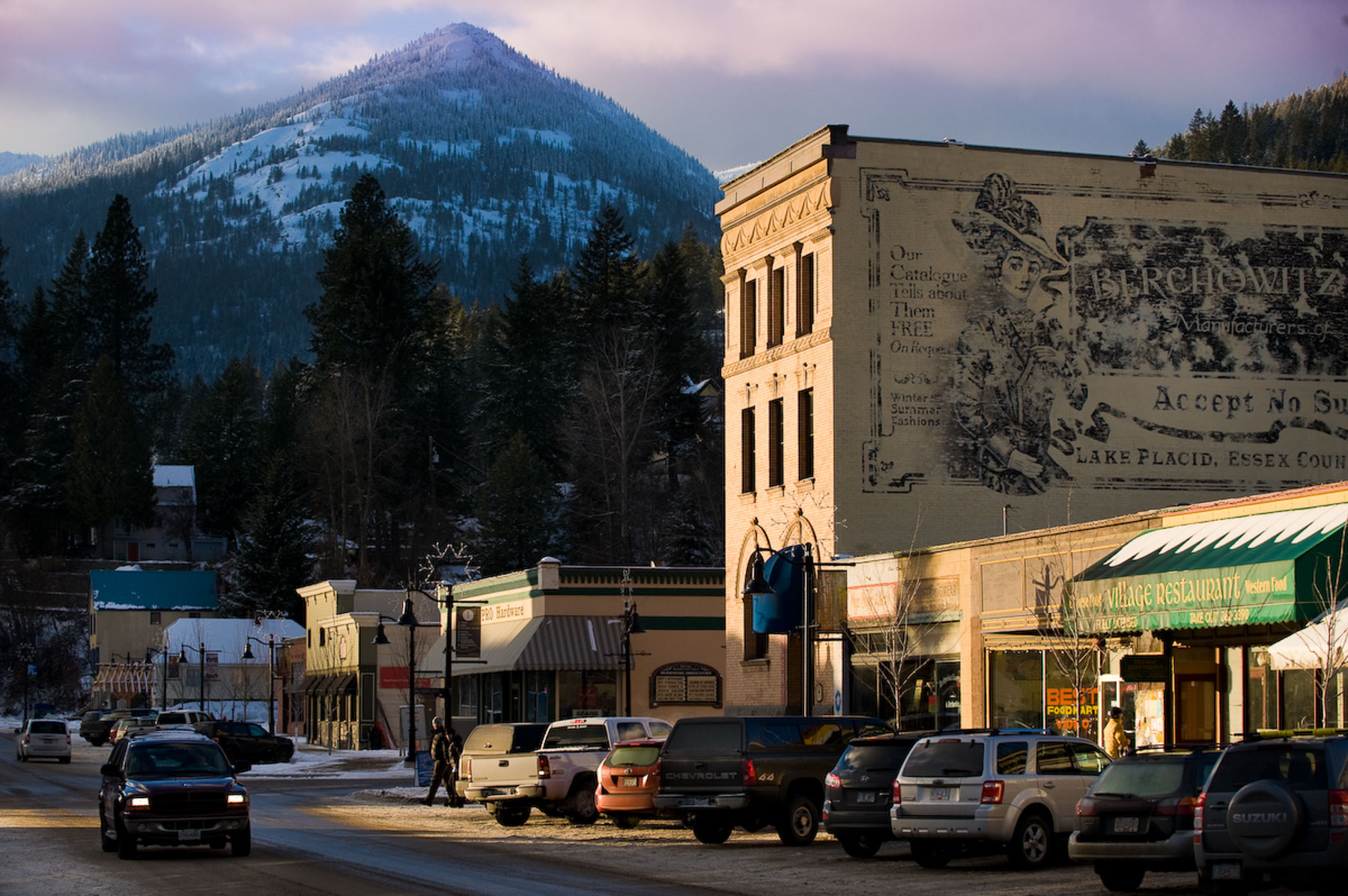
Deep-Rooted Community: A move here isn’t just a change of address; it’s an invitation into a social fabric where people still know their barista’s name.
Unrivalled Outdoor Access: We don’t have “recreation zones”—the entire region is a playground.
Intentional Living: A shift from a reactive lifestyle (answering to traffic and high costs) to an intentional one.
High-Speed Connectivity: Mountains Don’t Mean Offline
One of the biggest myths about moving to the Kootenays is that you’ll have to trade your bandwidth for a better view. In reality, by 2026, our “Zoom-town” reputation is backed by serious infrastructure. Major hubs like Nelson, Trail, and Castlegar are powered by extensive fibre-optic networks, offering gigabit speeds that rival any Vancouver penthouse.
Even if you’re looking at more rugged, rural acreage, the “digital divide” has effectively vanished; high-speed satellite providers like Starlink have made it possible to lead a 4K video conference from a cabin in the woods without a single stutter. In the Kootenays, you can truly have the off-grid aesthetic with a high-speed reality.
The Big Comparison: Where Are You Coming From?
Your experience moving to the Kootenays depends largely on your starting point. Here is how the transition typically looks from the three most common feeder regions.
1. Relocating from Vancouver
If you are leaving the Lower Mainland, you are likely trading a “condo in the sky” for a “home on the hill.”
The Pace Shift: In Vancouver, life is dictated by the North Shore bridge traffic or the SkyTrain schedule. In the Kootenays, the “rush hour” might be a three-car wait at a stop sign in Castlegar.
The Climate Shock: Prepare for a “real” winter. While Vancouver gets the “Big Rain,” we get the “Big Snow.” However, you’ll trade that grey drizzle for crisp, blue-sky winter days and world-class skiing at Red Mountain or Whitewater.
The Financials: You will likely find significant equity liberation. Many Vancouver buyers find they can purchase a detached character home here for less than the cost of a two-bedroom apartment in Kitsilano.
2. Relocating from Calgary
Calgarians are no strangers to mountains, but the Kootenay lifestyle is a different beast than the Bow Valley.
The Temperature Factor: You can say goodbye to the -30°C windchills and the erratic Chinook headaches. Our winters are snowy but generally more moderate.
The Culture Shift: Calgary is polished and corporate; the Kootenays are grassroots and eclectic. You’ll swap the “Stampede” energy for local farmers’ markets and independent festivals.
The Topography: Calgary is flat with a mountain view; the Kootenays are the mountains. Your daily dog walk will involve significantly more elevation gain.
3. Relocating from the Okanagan
Many people move here from Kelowna or Penticton because the Okanagan has become “too busy” and “too expensive”.
The Density Difference: If the Okanagan feels like “Vancouver-on-the-Lake,” the Kootenays feel like BC as it was 30 years ago. There is less commercialization and fewer high-density developments.
The Greenery: You’re moving from a semi-arid shrubland to a lush, interior rainforest. Expect more trees, more water, and (thankfully) generally less intense wildfire smoke issues due to our specific valley microclimates.
Escaping the Price Hike: In early 2026, Kelowna’s single-family homes often benchmarked near or above $1 million, a staggering jump that has pushed many families out. By comparison, the Kootenays offer a “reset button,
Real Estate Realities: Navigating the Local Market
As a real estate team deeply rooted in this region, we have to be honest: the Kootenay market is unique. You cannot apply “big city” buying tactics here and expect success.
What to Expect on the Ground
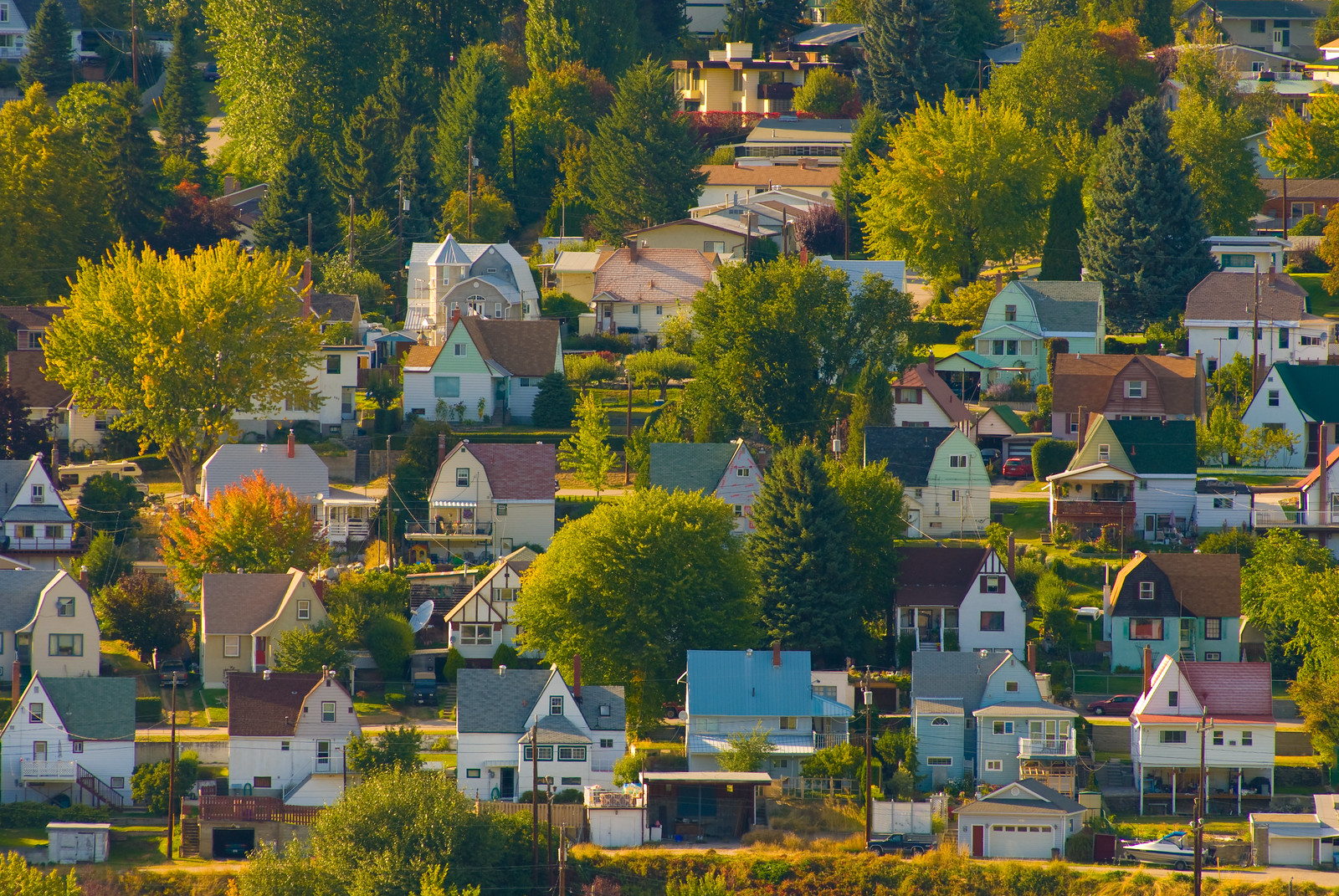
Inventory Styles: We have a beautiful mix of 100-year-old heritage “miners’ cottages,” mid-century bungalows, and modern “Step Code” energy-efficient builds.
The Terrain Factor: “Flat” is a luxury. Many properties are sloped, which offers incredible views but requires knowledge of retaining walls, drainage, and snow management.
The Search Process: Desirable properties in Nelson or Rossland move quickly. Because our total inventory is lower than a metro area, you need a local agent who has their finger on the pulse of “coming soon” listings.
Critical Property Considerations
When viewing homes in the Kootenays, we help you look for:
Snow Load Capacity: Is the roof engineered for a Kootenay winter?
Heating Systems: With rising energy costs, we look for high-efficiency heat pumps or WETT-certified wood stoves.
Water & Septic: Moving “out of town” often means managing your own well or septic system—a new experience for city dwellers.
The Cost of Living Breakdown (2026)
The financial transition to the Kootenays is one of the most significant “wins” for our clients, though it requires a nuanced understanding of where you save and where you spend.
When comparing costs to Vancouver, the most dramatic difference is in housing. By early 2026, the average home price in the Kootenays sits around $535,000, roughly half the price of a standard detached home in the Lower Mainland. Property taxes are also generally more manageable here, and the “lifestyle inflation” common in high-density urban centers—expensive parking, toll bridges, and premium dining—virtually disappears.
For those relocating from Calgary, the housing costs are often more comparable, but the savings appear in different areas. While Alberta benefits from no provincial sales tax, Kootenay residents often find relief in utility costs. Even with recent rate adjustments from BC Hydro and FortisBC, our moderate mountain climate (missing the extreme prairie deep-freeze) can lead to more consistent monthly energy bills. However, it is important to note that while your mortgage might be lower, everyday goods and groceries can be slightly higher than in major hubs due to the logistical factors of transporting goods into mountain valleys.
When measured against the Okanagan, the Kootenays offer a release from the “tourist premium.” In regions like Kelowna, housing and entertainment costs are often inflated by a high-density resort economy. In the Kootenays, the market is driven more by local demand and lifestyle seekers than by transient luxury buyers. While grocery prices and general services are similar across the BC Interior, the lack of urban density in the Kootenays means you are less likely to face the “convenience surcharges” found in the larger valley to our west. Overall, most of our clients find that moving here provides significant financial breathing room, especially for those bringing remote-work salaries or urban equity into the region.
Employment, Healthcare, and Schools
The Remote Work Revolution
By 2026, high-speed fiber optics have reached most of our residential hubs. Many of our clients are “Zoom-town” residents who keep their high-paying tech or consulting jobs while living in the mountains. If you are looking for local work, the healthcare (Teck, Kootenay Boundary Regional Hospital) and education sectors remain the largest employers.
Healthcare & Education
Don’t let the rural setting fool you. The West Kootenay region features robust primary care networks and specialized services. Families will find that our schools offer something money can’t buy in the city: small class sizes and “outdoor classrooms” where kids learn about ecology by actually walking into the woods.
The Adjustment Period: “Kootenay Time” is Real
Relocating is a physical move, but it’s also a psychological one. New residents often experience an adjustment period of about 6 to 12 months.
Service Speed: Things move a little slower here. Whether it’s a renovation contractor or a local government office, “Kootenay Time” is a real phenomenon. Patience is a prerequisite.
The Social “In”: You won’t be anonymous for long. In a city, you can disappear. Here, your neighbors will want to know where you moved from. Embracing this community spirit is the fastest way to feel at home.
Seasonal Rhythm: Your life will become dictated by the seasons. Wood needs to be stacked in the fall; skis waxed in the winter; gardens planted in the spring.
Frequently Asked Questions
Is it hard to find a doctor in the Kootenays?
Like much of Canada and British Columbia, there is a demand for GPs, but our regional primary care clinics are highly proactive. We recommend joining the waitlist as soon as you have a local address.
How do I handle the “big snow” years?
Invest in a good snowblower (or a local plow service) and a set of high-quality winter tires. It’s not a chore; it’s a workout, but it also offers the best skiing of your life.
Are the Kootenays “family-friendly”?
Absolutely. It is one of the few places left where kids can safely bike to their friend’s house or walk to the local ice cream shop solo.
Ready to Make the Move?
Moving to the Kootenays isn’t just about buying a house; it’s about claiming a lifestyle that prioritizes well-being over the “rat race.” We specialize in being more than just real estate agents—we are your relocation consultants.
Let us help you navigate the industrial heartbeat of Trail, the sun-drenched valley surrounding Castlegar, the alpine charm of Rossland, and other incredible communities.
Contact Us to get the relocation ball rolling!